


Why Most Reports Fail to Drive Real Action
Many reports fall short because they present data without direction. Charts lack context, dashboards are cluttered, and metrics don’t connect back to meaningful business outcomes. Teams receive information, but not insight. When reports overwhelm instead of clarify, leaders struggle to identify what matters and what needs attention. Robust reporting solves this by focusing on relevance, consistency, and narrative structure. With cleaner visuals and smarter organization, decision-makers can interpret trends quickly and act immediately.


Pro Tip: Make your reports actionable by pairing every key metric with a recommended next step. When teams know both the insight and the action it suggests, performance improvements happen faster and more consistently.
Too Much Data Creates Noise, Not Insight
When dashboards collect every available metric, teams get lost in the clutter. Irrelevant KPIs bury important signals and slow down analysis. Robust reporting curates data, highlighting only what drives performance or impacts decisions. This reduces cognitive load and helps teams focus on what actually moves the needle rather than what merely fills space.

Reports Without Context Leave Teams Guessing
Charts and summaries only become actionable when paired with meaningful explanations. Without context — such as historical comparisons, benchmarks, or clear trends — teams must interpret meaning on their own. This leads to inconsistent interpretations and missed opportunities. Robust reporting adds essential framing so insights are clear, aligned, and immediately useful.

Static Dashboards Can’t Keep Up With Fast-Moving Operations
Static or outdated dashboards fail to reflect what’s happening right now, leading to decisions based on stale information. When conditions shift quickly, real-time reporting becomes essential for teams managing logistics, field service, sales, or customer support. Robust reporting incorporates live data streams to ensure dashboards reflect current activity, empowering teams to act at the exact moment action is needed.

Clear, Outcome-Focused KPIs
Every report should reflect the outcomes the business cares about most — whether that’s delivery completion rates, sales growth, technician productivity, or customer satisfaction. Clear KPIs connect data directly to results. When teams understand how each metric contributes to performance, it becomes easier to align daily decisions with strategic goals.
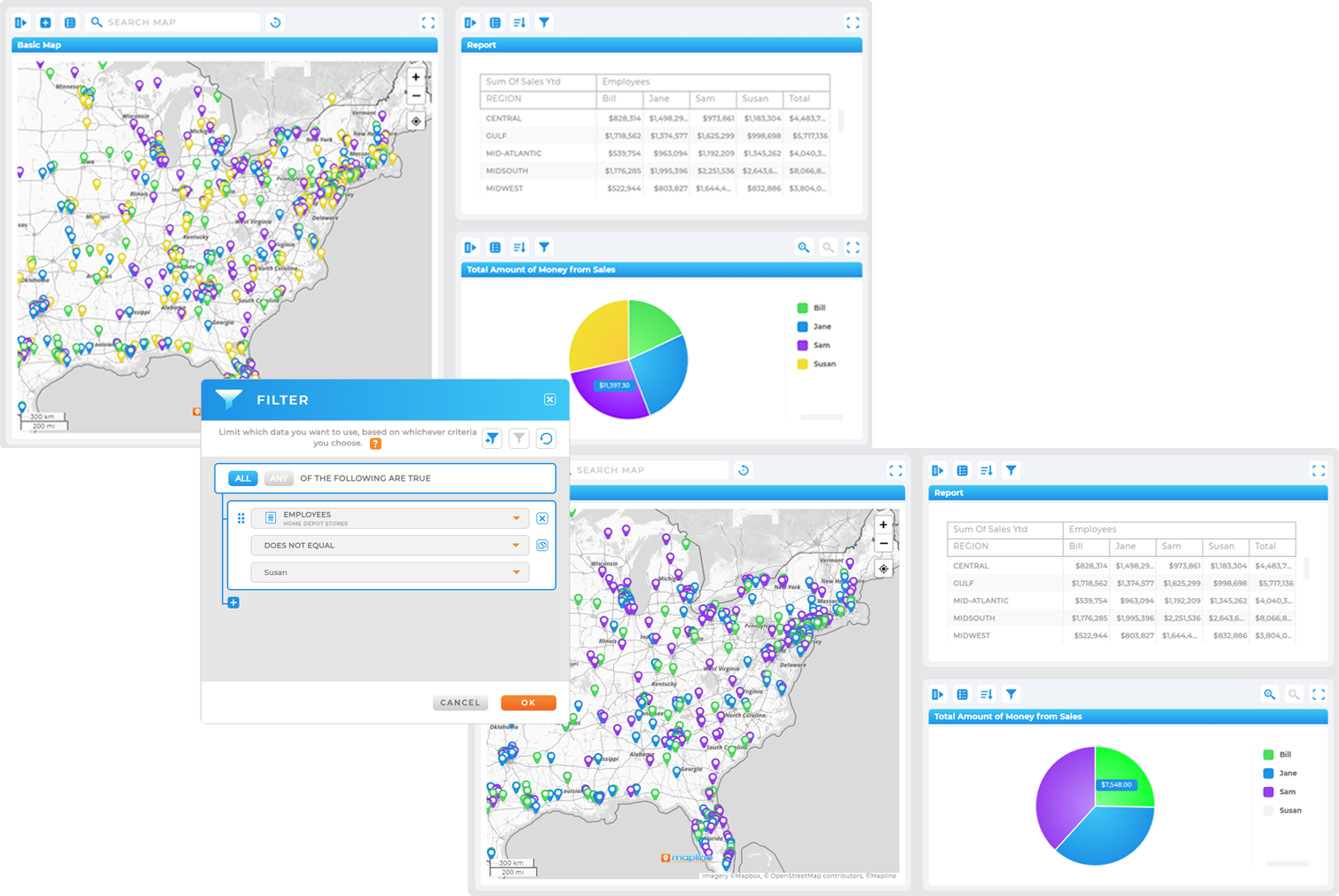
Trendlines and Comparisons for Faster Interpretation
Comparisons across time, region, or teams reveal patterns that raw numbers cannot. Trendlines highlight whether performance is improving or declining, helping leaders react before small issues become major setbacks. Comparisons make performance clearer and reduce the ambiguity that often accompanies isolated data points.

Automated Insights That Call Out What Matters
Smart reporting systems automatically highlight anomalies, outliers, or performance changes that need attention. This removes the guesswork of hunting through dashboards for issues. Automated insights save time and guide teams toward immediate action, ensuring no critical pattern is overlooked.

Consistent Formats Reduce Miscommunication
Using a standard reporting structure makes insights easier to interpret across teams. When everyone knows where to find KPIs, how metrics are calculated, and what each chart represents, conversations become more productive. Consistency removes the friction of constantly re-explaining data sources or definitions. Over time, this standardized approach strengthens operational clarity.

Visual Maps Expose Operational Gaps
Layering maps into dashboards adds spatial context that traditional reports lack. Visualizing territories, customer clusters, delivery delays, or asset locations helps teams identify geographic trends quickly. This spatial insight drives smarter decisions about resource distribution, regional workload, and market opportunities. Maps make reporting more intuitive and immediately actionable.

Shared Dashboards Keep Everyone on the Same Page
Centralized dashboards that update in real time ensure that all departments work from the same information. This prevents outdated spreadsheets from circulating and eliminates discrepancies between teams. Shared visibility builds trust and encourages collaborative problem-solving. When everyone sees the same story, they can pursue the same goals.

