


- Blog
- Geo Scheduling
- Sales Scheduling Strategies That Help Field Teams Cover More Ground
For field sales teams, time is one of the most valuable resources. Between travel, meetings, follow-ups, and administrative work, every hour of the day must be used strategically. Without an organized system in place, sales reps may spend more time driving between appointments than actually meeting with customers.
Effective sales scheduling helps teams structure their day around customer priorities and geographic efficiency. When meetings are scheduled strategically, sales reps can visit more accounts, reduce travel time, and maintain consistent territory coverage.
By combining smart scheduling practices with geographic planning tools, organizations can turn daily logistics into a competitive advantage.
Why Sales Scheduling Matters for Field Teams
Scheduling customer meetings might seem like a simple administrative task, but it plays a major role in field sales productivity. When appointments are scheduled without considering geography or territory coverage, inefficiencies quickly emerge.
Sales reps may find themselves driving across large regions multiple times in a single day, leaving little time for meaningful customer conversations. Over time, this reduces the number of accounts they can visit and limits overall sales performance.
A structured sales scheduling strategy ensures that meetings align with territory boundaries, travel routes, and account priorities. This approach helps field teams maximize their time in the field.
Pro Tip: Plan your sales schedule at the start of each week by grouping customer visits within the same geographic areas. This allows reps to focus on one region at a time, reducing travel time and creating more opportunities for productive meetings.
Common Challenges in Sales Scheduling
Many organizations struggle with sales scheduling because their processes rely on manual planning or disconnected tools. These challenges can quickly affect productivity. Appointments may be booked without considering travel routes, forcing sales reps to spend unnecessary time driving between meetings. In other cases, schedules become overloaded on certain days while other days remain underutilized. Managers may also lack visibility into how territories are being covered or which customers are being visited regularly. Without a structured scheduling approach, these inefficiencies can reduce meeting volume and limit overall sales performance.
Excessive Travel Between Appointments
When meetings are scheduled without geographic coordination, reps often travel longer distances than necessary between visits. These inefficiencies reduce the number of meetings that can realistically be scheduled each day.
Uneven Territory Coverage
Without clear scheduling guidelines, some areas of a territory may receive frequent visits while others are unintentionally overlooked. This imbalance can impact customer relationships and revenue opportunities.
Disconnected Calendars and Mapping Tools
Many sales teams use separate tools for scheduling meetings and planning routes. Switching between systems creates unnecessary complexity and increases the likelihood of scheduling conflicts.
Difficulty Prioritizing Accounts
Not all customer meetings carry the same importance. Without a structured scheduling process, reps may spend time on lower-priority visits while high-value opportunities receive less attention.
Sales Scheduling Strategies That Improve Productivity
Implementing structured scheduling strategies can dramatically improve how field sales teams manage their time. Instead of scheduling appointments randomly throughout a territory, successful teams plan their schedules around geography, customer priority, and travel efficiency. Grouping nearby customer visits together reduces drive time and allows sales reps to meet more customers in a single day. Structured scheduling also helps maintain consistent visit frequency for key accounts and ensures that important opportunities are not overlooked. Over time, these strategies help sales teams operate more efficiently while maximizing time spent in meaningful customer conversations.
Schedule Meetings by Territory
One of the most effective ways to improve scheduling efficiency is to group meetings within the same geographic area. By focusing on one region at a time, reps can reduce travel time and increase the number of customer visits they complete each day.
Prioritize Strategic Accounts First
Sales schedules should begin with high-value or strategically important customers. Once these meetings are secured, additional appointments can be scheduled nearby to make the most of the rep’s time in that area.
Use Time Blocks for Field Visits
Creating dedicated time blocks for customer visits helps maintain consistency and prevents administrative tasks from interrupting valuable selling time.
Build Travel Time Into the Schedule
Accounting for travel time between meetings helps prevent scheduling conflicts and ensures reps arrive prepared and on time.
How Technology Improves Sales Scheduling
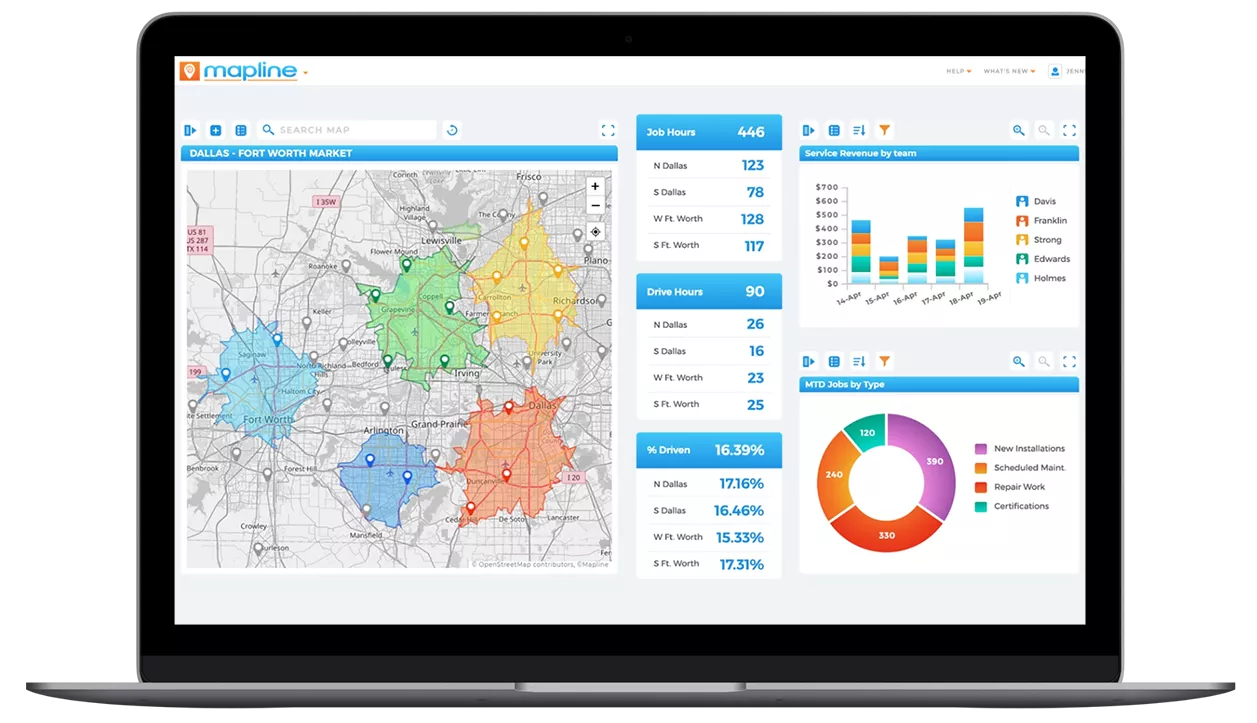
Modern sales scheduling platforms integrate mapping, route optimization, and calendar management into a single system. This allows sales teams to visualize customer locations and schedule appointments based on geographic efficiency.
Instead of manually coordinating routes and calendars, reps can build schedules that automatically align with optimized travel routes. Managers also gain visibility into territory coverage and customer visit frequency.
This level of coordination helps field teams cover more ground while maintaining a structured schedule.
Benefits of Smarter Sales Scheduling
Organizations that implement structured sales scheduling strategies often see measurable improvements in productivity.
- Reduced travel time between appointments
- More customer visits per day
- Improved territory coverage
- Better visibility into field activity
- More consistent customer engagement
These improvements help field sales teams operate more efficiently while strengthening customer relationships.
Signs Your Sales Scheduling Process Needs Improvement
If your team frequently struggles with inefficient travel routes, inconsistent customer visits, or overloaded daily schedules, your scheduling process may need refinement.
Sales reps should spend most of their time meeting with customers—not coordinating logistics. Implementing a structured scheduling approach helps eliminate unnecessary complexity and ensures that field teams operate as efficiently as possible.
Sales scheduling is the process of organizing customer meetings, travel routes, and territory coverage to ensure sales reps use their time efficiently in the field.
When meetings are scheduled strategically by geography and account priority, sales reps spend less time traveling and more time meeting with customers.
Mapping and route planning software can help visualize customer locations, optimize travel routes, and integrate appointment scheduling into one platform.
Many teams review schedules weekly to ensure territories are covered consistently and appointments align with sales priorities.


